


Recognizing the vast constellation of consummate professionals ready to help you on the road to college is the first step to a successful outcome. The second step is a bit tougher: picking the right one! But first the news…
COLLEGE NEWS
Degree length debate: If four years sounds like too long to commit to education, Ensign College in Utah has you covered as the first U.S. institution to offer a three-year degree option for all its majors. Meanwhile, some community colleges in Iowa are now piloting a plan to offer four-year degrees. Has taking six years to graduate suddenly become unfashionable?
Faster work but less learning: The virtual horse has left the digital barn as far as students using AI is concerned, but the tradeoffs are still worth considering. A small study by Anthropic found that coders who used AI to complete a skills-oriented task participants worked a little more quickly but scored nearly two letter grades lower than those who coded by hand. Doesn’t bode well for corner-cutting college students…
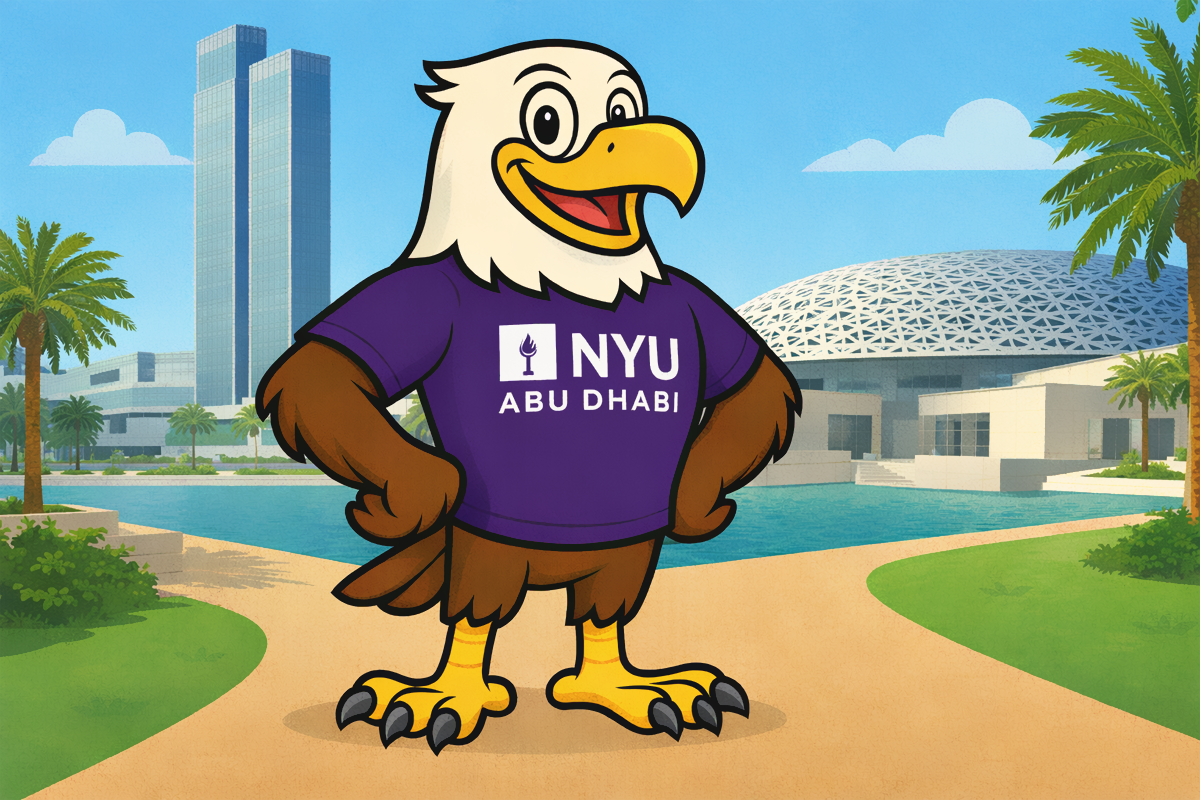
U.S. abroad: While domestic policies complicate international students abroad, American schools are leaning back into international branch campuses and learning the hard way what it takes to succeed. So take hope–if you don’t get into NYU stateside, you may still have a shot at NYU Abu Dhabi!
Believe it or not, now is the last best chance for many juniors to work towards an amazing test score before summer. With APs, Spring Break, prom, and a ton of other distractions ahead, the March SAT and April ACT make the most sense for serious students. If you’re not already working with someone, let me and my expert team at Chariot Learning help you make the most of the months ahead!

BIG IDEA
In our last issue, we explored the myriad of professionals perfectly positioned to help applicants with one part or another of the college admissions process. Assistance with any aspect of academics, testing, extracurriculars, essay writing, college selection, scholarship search or anything else related to the college journey is out there, if you know where to look–or who to ask.
But what do you once you find a potential consultant, coach, or tutor?
The question matters more than you might think because you’ll invariably find many prospects for the same position, all of whom bring their own perspectives, policies, and value propositions. To find the right fit, ask the right questions:
WHO WILL I WORK WITH?
If you can work with experienced, well-trained, and professionally supervised consultants, coaches, or tutors with histories of success, you’ll have a head start towards your targets. Working with a founder is nice but not always necessary.
Will I be working directly with you/the founder?
How do you hire or assess staff?
How are your staffers trained?
What qualifications do you require/prioritize from staff?
How do you determine who on your team works with my teen?
Will I be working with an employee or independent contractor?
How much experience do your staffers have, especially whomever I’ll be working with?
What options are available if my child doesn’t connect or work well with the staffer?
Do you assign different professionals for different subjects, tasks, or test sections?
WHAT IS YOUR PRACTICE LIKE?
All things being equal, solo and smaller practices provide more accountability and consistency than large retail organizations, especially because the experience of the practice more directly reflects the experience of the professional you’ll be working with:
For how many years have you or your organization been in this industry?
What kind of results do your clients typically see?
Do you or your organization belong to a national industry association?
For how many years have you or your organization served this area? (if working with a local/regional practice)
What sets you or your practice apart?
Where can I find testimonials for you or your practice?
Where can I find reviews for you or your practice?
WHAT ARE YOUR SERVICES LIKE?
Since every student has different needs, you should inquire about how broad and deep a provider’s services are:
Do you offer individual instruction/service?
Do you offer group instruction/service?
Do you meet in-person, online, or both?
Does your model focus more on direct instruction/guidance or self-directed work?
Do you have resources and/or expertise for students with learning differences?
How long are your average programs?
Do you have a set curriculum/program?
Does every student go through the same curriculum/program?
To what extent and on what basis are programs customized or individualized?
How or by whom have your curriculum/programs been developed?
How often is your curriculum/programs revised and when was your last revision?
What other materials/resources do you use or recommend?
WHAT IS YOUR PRICING STRUCTURE?
How much do your services or programs cost?
Do you require certain commitments or work session to session or à la carte?
Are special packages available?
Are discounts available and to whom?
Do you offer any kind of guarantee? (A guarantee is often a bad sign.)
Important decisions deserve the time and effort required to make choices you can not only live with but feel good about both in the moment and many years later. Asking the right questions in advance can help you find the perfect fit professional for any milestone on the road to college.
What other questions do you find helpful in the search for quality service providers?
NAME THAT SCHOOL
Think you know a lot about colleges? Try to guess this institution of higher education. (Find the answer at the end of the newsletter.)
First opened its doors in 1964 but has grown to the ninth largest student body in its state
Built on a World War II training base for B-29 bomber crews
Recognized as a high-research (R1) university with a leading marine science research center known for deep-sea exploration
Instead of being confined to one campus, the school spans 110 miles of coastline.
Just committed to becoming the first university in its state to publicly host a large, dedicated quantum computer on site
APPLICATION ACTION STEPS
🎓 Apply to the 2026 Scholarship for Word Lovers.
🎓 Consider and cultivate overlooked test-taking skills.
🎓 Understand how to ask for a letter of recommendation.
🎓 Explore colleges in the US that are need-blind for international students.
HOTLINE
Do you have any burning questions to ask or want to share an issue, article, or resource our readers should know about? Dial up the College Eagle hotline through this easy form. We appreciate you!
NAME THAT SCHOOL ANSWER
Yes, it’s true–Florida Atlantic University will be installing an Advantage2 annealing quantum computer on the university’s Boca Raton campus later this year. Go Owls!